woman fashion

Hanbok Best Outfit — Korean Traditional Dress for Ladies and Men

Everything about the best hanbok outfits for ladies and men — traditional styles, modern interpretations, and how to wear hanbok respectfully in 2026.
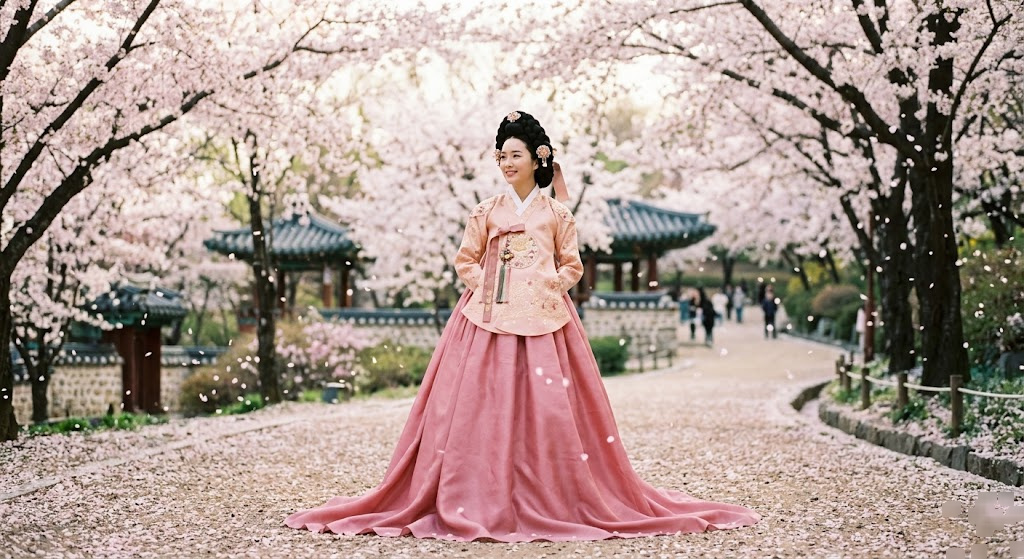
hanbok best outfit for ladies korean traditional dress

Cherry blossom season in Seoul. That's where I first understood what a hanbok actually feels like to be near — not just to look at in photographs, but to witness in person on a morning walk through Gyeongbokgung Palace. Groups of visitors in rental hanboks of every color imaginable, moving through the ancient courtyards. It was one of the most visually beautiful things I've ever seen.

The hanbok is an extraordinary garment. It's been worn in Korea for over two thousand years in various forms, and it has evolved continuously without losing its essential identity. The silhouette — the wide, billowing skirt meeting the cropped jeogori jacket — is instantly recognizable worldwide, and in 2026, hanbok is experiencing a genuine global fashion moment.

Which Country's Dress Is Hanbok?

Hanbok is Korean traditional dress. It emerged during the Three Kingdoms period of Korean history and has been refined over millennia. The word itself means simply "Korean clothing" — han (Korean) and bok (clothing).

Different historical periods contributed different design elements. The jeogori (jacket) became shorter and more form-fitting during the Joseon dynasty for women, while men's versions remained longer. The chima (skirt) developed its characteristic full, floor-length silhouette. The color symbolism became codified: white for everyday wear and mourning, deep blues and greens for scholars, reds and pinks for celebrations and the young.

What Is the Purpose of Wearing a Hanbok?

Historically, hanbok was simply everyday Korean dress — like asking why people wore clothing. In the modern era, hanbok is primarily worn for major cultural celebrations: Chuseok (the autumn harvest festival), Seollal (Lunar New Year), traditional weddings, and coming-of-age ceremonies.

Wearing hanbok at Korean heritage sites has become increasingly popular as a way of connecting with and celebrating Korean culture — both for Koreans and international visitors. The rental hanbok industry at palaces like Gyeongbokgung and Changdeokgung reflects this beautifully.

hanbok dress outfit for ladies traditional female

Hanbok Dress Outfit for Ladies — The Traditional Version

The traditional female hanbok consists of:

The jeogori — a short jacket cropped just below the bust, with long sleeves and a ribbon tie (goreum) at the front. The collar (dongjeong) is traditionally white, creating a clean contrast against the colored jacket.

The chima — the full skirt that wraps and ties above the bust, creating the characteristic high-waisted silhouette and falling to the floor in a dramatic sweep. The chima's volume comes from layers of fabric rather than structured support.

The norigae — a decorative tassel accessory hung from the goreum, traditionally in silk with precious stone or metal elements. These are status objects as much as accessories.

Footwear: traditional white boat-shaped shoes (hye) or embroidered shoes (kkotsin) for formal occasions.

modern hanbok dress female contemporary style

Modern Hanbok Dress — Where Tradition Meets Now

The modern hanbok movement has been one of the most interesting fashion developments in Korea over the past decade. Designers like Leesle and Tchai Kim have created contemporary hanbok that retain the essential silhouette — the jeogori jacket, the high-waisted skirt — while adapting fabrics, lengths, and styling for modern life.

A modern hanbok dress might be: - A cropped jeogori in soft sage linen over wide-leg cream trousers - A high-waisted chima in a shorter midi length paired with a fitted jeogori - A full hanbok in a contemporary fabric like chiffon or velvet rather than the traditional silk

The modern hanbok is increasingly worn beyond purely ceremonial occasions — to gallery openings, cultural events, and as everyday fashion for those who want to connect with their heritage in daily life.

Korean Hanbok Female Modern — Styling for 2026

In 2026, modern hanbok styling trends include:

Muted, natural colorways alongside the traditional vivid pinks and reds. Dusty rose, sage, pale grey, and soft ivory are all being used in contemporary hanbok design, giving the silhouette a more minimalist aesthetic.

Linen and cotton fabrics for everyday modern hanbok rather than formal silk — making the garments more accessible and practical for regular wearing.

Layering the jeogori over contemporary basics — a hanbok jacket worn over wide-leg trousers and minimalist shoes creates a fashion-forward look that reads as culturally connected without being costume-like.

korean traditional dress male hanbok

Korean Traditional Dress Male — The Men's Hanbok

The male hanbok is often overlooked in global fashion conversation, but it's equally beautiful. The men's version consists of:

A jeogori (jacket) that is longer than the women's version, typically hitting at the hip. A baji (wide-legged trousers) in coordinating fabric. A durumagi (outer overcoat) for formal occasions — a full-length coat in a contrasting or complementary color. A gat (horsehair hat with a wide brim) or a different style cap depending on the period and occasion.

hanbok fabric detail close-up silk embroidery

Can I Wear a Hanbok If I'm Not Korean?

This is the most common question about hanbok, and the answer from most Korean cultural voices is: yes, at appropriate venues and occasions, and with genuine respect and appreciation.

Renting and wearing hanbok at Korean heritage sites is actively encouraged — it's a form of cultural engagement that Koreans broadly welcome. Wearing hanbok to a Korean celebration you've been invited to is a gesture of respect and appreciation.

The key is intention and context. Wearing it with genuine appreciation for what it represents — its history, its craft, its cultural meaning — is the approach that earns respect.

Final Thoughts

The hanbok is one of the genuinely beautiful things human beings have made — a garment that has lasted thousands of years because it works: aesthetically, culturally, and in its elegant relationship with the human body.

Whether you're seeking a full traditional look for a Korean celebration or exploring modern hanbok for everyday fashion, the garment rewards proper research and genuine appreciation. Find a good maker, choose quality fabric, and wear it well.

The hanbok dress outfit for male — durumagi overcoat, baji trousers, and traditional gat hat — is one of the most distinguished looks in Korean traditional fashion, and deserves as much attention as the more widely photographed women's styles.

A full hanbok dress outfit female in a formal context — jeogori, chima, norigae tassel, and hairpin — is genuinely breathtaking. The layering of fabric and accessory creates a complete look that Western formal wear rarely matches for elegance.

Styling a hanbok dress outfit male requires understanding the layering system — durumagi over jeogori, baji trousers below, completed by the traditional gat hat for formal occasions. A hanbok dress outfit female follows its own layering logic, with the chima tied high over the jeogori for the characteristic silhouette.

Frequently asked questions

FAQ: Hanbok Outfit

When did Korean people stop wearing hanbok? During the Japanese colonial period (1910–1945), traditional Korean dress was suppressed, and Westernization rapidly followed Korea's post-war modernization. By the mid-20th century, hanbok had shifted from everyday wear to ceremonial use. The revival movement of the past decade is reintegrating hanbok into daily life.

How to wear a hanbok dress? For a traditional female hanbok: put on the chima first, tying the strap high above the waist. Then put on the jeogori over it, tying the goreum ribbon in a bow at the front. For a modern hanbok, layering and styling are more flexible.

Which color hanbok is best? Traditionally, color choices were tied to age, status, and occasion. Reds and pinks are for young women and celebrations. Deeper blues and greens were scholarly. White was everyday wear. For modern choices, wear whatever color you genuinely love — the tradition is flexible on this.

Caroline Elizabeth

Caroline Elizabeth

Fashion stylist and writer with a passion for making everyday dressing effortless. She covers outfit ideas, seasonal trends, and practical style advice for real wardrobes.

Pinterest