woman fashion

Hausa Latest Trending Dress — Traditional and Modern Styles for 2026

Discover the latest Hausa trending dress for 2026 — kaftans, babban riga, and modern styles for ladies and men. Everything you need to know about Hausa fashion.
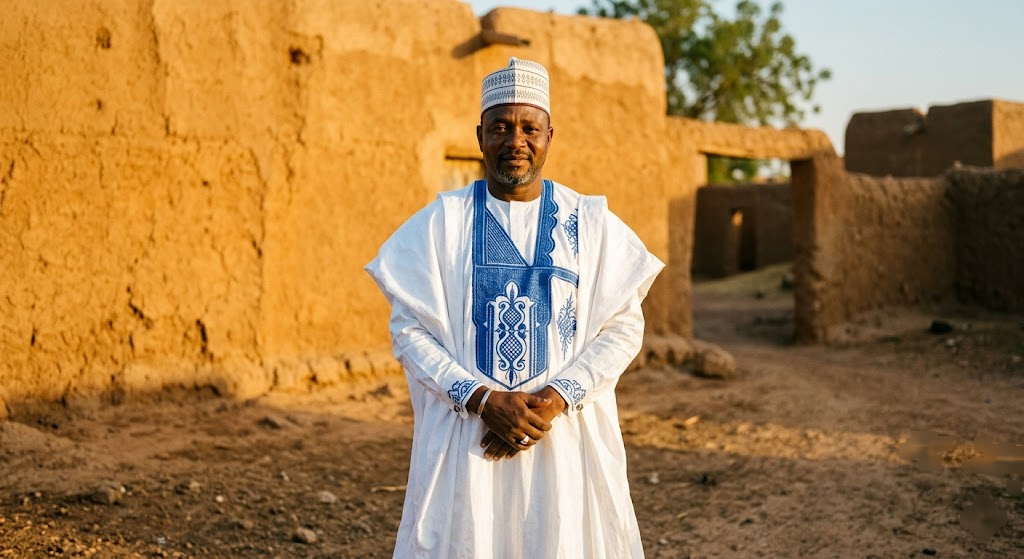

hausa latest trending dress for male and female

I'll be honest — before I spent real time learning about Hausa fashion, I had a surface-level understanding at best. I knew the dramatic flowing babban riga, the intricate embroidery, the sense of grandeur. What I didn't understand was the sophistication of the system underneath it — the hierarchy of fabrics, the regional variations, the way that Hausa traditional dress has maintained its dignity through decades of global fashion change.

Hausa fashion is understated in its confidence. It doesn't shout. It flows. And in 2026, with West African fashion drawing international attention like never before, Hausa style is getting the global recognition it has always deserved.

What Clothes Does the Hausa Wear?

Hausa traditional dress centers on modesty, elegance, and quality fabric. For men, the most iconic piece is the babban riga — a wide, flowing gown with dramatic embroidered yoke that falls to the ankle. Beneath it, matching wide trousers and a long inner shirt. A traditional cap (called a fula) completes the formal look.

For women, the kaftan is central — and the range of kaftan styles in Hausa fashion is far wider than most outsiders realize. From a simple everyday kaftan in cotton to an elaborately embroidered ceremonial kaftan in rich brocade, the garment adapts across every occasion while maintaining its essential modesty and elegance.

Embroider is everything in Hausa dress. The Hausa are renowned for their embroidery craft — the patterns on a babban riga yoke or kaftan neckline are often extraordinarily detailed, using silk threads in gold, silver, or contrasting colors against the main fabric.

hausa outfit for ladies modern kaftan

Hausa Outfit for Ladies — The Kaftan in All Its Forms

The kaftan is the anchor of Hausa women's fashion. But not all kaftans are the same, and understanding the distinctions helps you dress appropriately and purchase wisely.

An everyday kaftan for Hausa ladies is typically in a cotton or cotton-blend fabric — something breathable and modest for the hot northern climate. The embroidery is simpler, the silhouette relaxed. This is what you might wear to the market, to work, or for casual day-to-day activities.

A ceremony kaftan is where the Hausa tradition really shines. Rich brocade fabric in jewel tones — deep purple, forest green, royal blue, gold — with intricate hand-embroidered neckline, cuffs, and hem. The weight and sheen of the fabric combined with the embroidery detail creates a garment that is genuinely impressive.

For 2026, the trending evolution in Hausa kaftan for ladies includes slightly more fitted silhouettes (the traditional kaftan is quite loose; modern cuts sometimes add gentle waist definition), bold color pairings, and the integration of imported luxury fabrics alongside traditional options.

hausa traditional attire for male cultural day

Hausa Traditional Attire for Male — The Babban Riga

The babban riga is one of the most impressive garments in African fashion, full stop. When a Hausa man walks into a room in a well-made babban riga — the fabric moving with him, the embroidery catching the light — the effect is immediately arresting.

The babban riga is typically made in a single fabric that flows as a complete garment. The embroidery (called aska) at the yoke is the defining detail — the more elaborate the aska, the more formal and prestigious the occasion for which the garment was made. For a Hausa emir's court or a high-level state occasion, the aska can cover a significant portion of the front panel in extraordinarily detailed threadwork.

White is the traditional color for the most formal babban riga. Royal blue, forest green, and deep brown are also common formal colors. For cultural day occasions, any dignified solid color in a quality fabric with appropriate embroidery reads correctly.

hausa dressing for cultural day female and male

What Is a Nigerian Kaftan Called in Hausa?

The kaftan in Hausa culture is called a jalabiya (for a straighter, more simple version, often associated with Arabic influence) or a riga (the more distinctively Hausa flowing garment). A Hausa long gown is specifically called a babban riga when referring to the grand formal version. A mumu is actually different — it's a looser, simpler house garment, distinct from the ceremonial riga.

Hausa Dressing for Cultural Day

For cultural day events at schools, universities, or public celebrations, the Hausa outfit for male and female has clear conventions:

For women: a kaftan in a bold solid color — deep blue, emerald, or burgundy are strong choices — with a matching headscarf tied in the traditional Hausa style (not the elaborate gele of Yoruba fashion, but a neat, elegant wrap). Simple flat sandals or low heels.

For men: a buba (tunic) and matching sokoto (trousers) with a fula cap, in ankara or solid fabric. The full babban riga is appropriate but can be impractical for day-long school events — the two-piece is a more manageable alternative that still reads as clearly Hausa.

hausa embroidery close-up fabric detail

Final Thoughts

Hausa fashion rewards genuine appreciation. The craftsmanship in a quality babban riga or embroidered ceremonial kaftan is extraordinary — and increasingly, that craftsmanship is being recognized beyond Nigeria's borders.

If you're building a Hausa traditional wardrobe: start with a quality kaftan in a rich fabric for ladies, or a clean two-piece buba and sokoto for men. Master the basics. Then invest in an embroidered piece for formal occasions. The investment is worthwhile.

A complete hausa outfit for man — babban riga, matching cap, and traditional shoes — is one of the most commanding looks in Nigerian fashion. The construction and embroidery quality are what separate a great piece from a mediocre one.

Coordinating hausa traditional attire for male and female is a popular choice for Hausa weddings and naming ceremonies — matching fabrics in complementary shades, with the woman in an embroidered kaftan and the man in a corresponding babban riga.

Frequently asked questions

FAQ: Hausa Trending Dress

What is a Nigerian kaftan called? A Nigerian kaftan is called a riga in Hausa, specifically a babban riga for the grand formal version. In Yoruba culture it's an agbada; in Igbo culture a senator suit. Each culture has its own version of the long flowing garment.

How do Hausa Fulani dress? Hausa-Fulani dress shares similarities but has distinct elements. Fulani women traditionally wear wrappers (bante) and headpieces (formerly large hats), while the men often wear simple long tunics. Urban Hausa-Fulani fashion now blends traditional elements with modern kaftan styles.

What is Gen Z fashion style in the context of Hausa dress? Younger Hausa fashion creators are finding ways to incorporate traditional Hausa elements — embroidery patterns, kaftan silhouettes, quality fabrics — into contemporary looks. Hausa embroidery on denim jackets, kaftan-inspired co-ords, and modern color combinations are all part of the current conversation.

Does Hausa wear agbada? The agbada is primarily a Yoruba garment, though it has influence across West Africa and versions of similar flowing robes exist in Hausa fashion (the babban riga). The specific construction and cultural meaning differs between the two traditions.

Caroline Elizabeth

Caroline Elizabeth

Fashion stylist and writer with a passion for making everyday dressing effortless. She covers outfit ideas, seasonal trends, and practical style advice for real wardrobes.

Pinterest