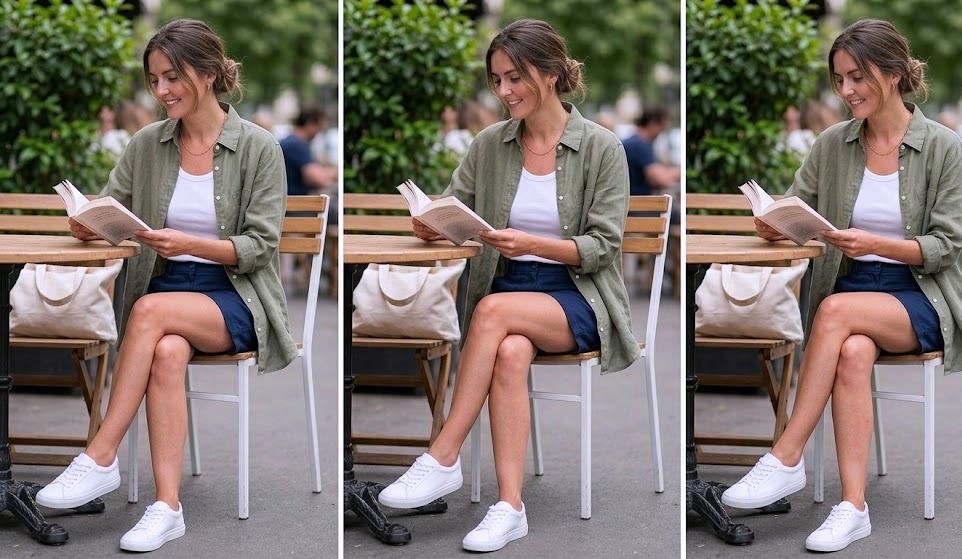
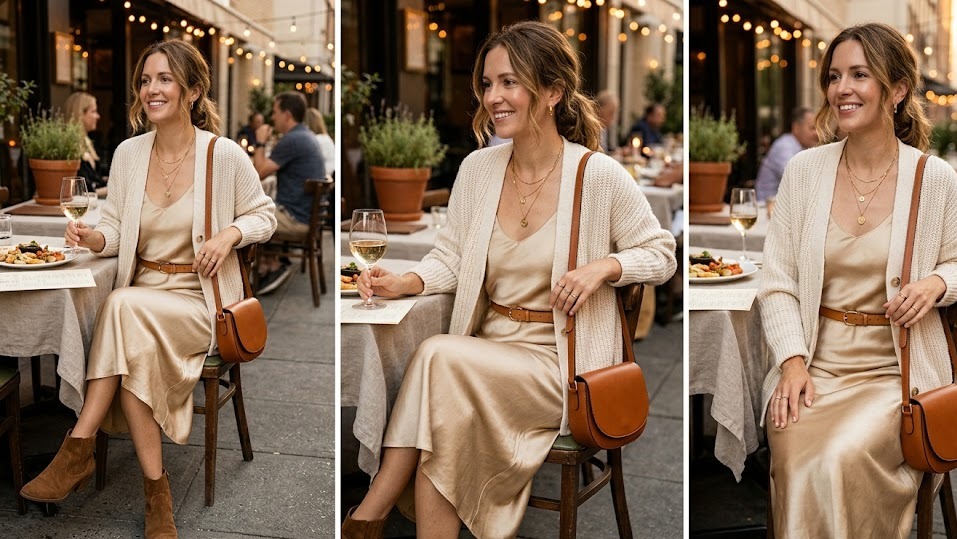
Navy and Cream Outfit Ideas for Women for Work
Discover navy and cream outfit ideas for women for work with wearable outfit ideas, simple styling tips, and practical looks you can recreate in real life.

Navy and Cream Outfit Ideas for Women for Work is the kind of search people make when they want a look that feels practical, stylish, and easy to picture in real life. It is rarely just about one item. It is usually about mood, timing, comfort, and wanting to feel right in the moment. That is why this guide is written for readers first. It is here to help real people make better outfit decisions, not to impress fashion experts with complicated language.
Many outfit articles make dressing sound far harder than it needs to be. They throw in too many trends, too many rules, or too many pieces at once. Real wardrobes do not work that way. Most people want to know what to wear, what pairs well, what looks polished, and what to avoid when the weather, the setting, or the day changes. For women who want to look put together without making fashion feel exhausting, that practical angle matters far more than fashion jargon.
This article breaks the look down in a simple way. We will cover why the outfit works, what pieces make it easier to style, how to adjust it for different situations, what details help it look better, and the mistakes that usually weaken it. The goal is not just to admire the idea of the outfit. The goal is to make it usable.
Why Readers Keep Searching for This Look
One reason navy and cream outfit ideas for women for work works so well is that it solves several style needs at once. It gives enough visual interest to feel intentional, but it does not require a costume-like amount of effort. That balance is what readers are usually looking for. They want something that feels current without becoming hard to live in, photograph, move in, or repeat later in the week.
The strongest version of this look usually comes from restraint. Instead of trying to make every item a statement, it helps to let one or two pieces carry the mood while the rest of the outfit gives support. That is often what makes the outfit look polished. A clear direction almost always beats a crowded one.
It also helps that this kind of outfit can shift depending on the day. It can lean casual, refined, playful, smart, or relaxed depending on fabric, shoe choice, layering, and how much contrast you bring into the final look. That flexibility is why readers keep returning to outfit searches like this.
The Easiest Base Pieces to Start With
The easiest way to build this kind of outfit is to start with a clean base. That could mean one strong color, one useful layer, one hero garment, or one easy combination that already makes sense before you even add accessories. Readers usually have more success when they start simple and only add pieces that improve comfort or shape.
For many people, the outfit becomes easier once they stop chasing the exact image in their head and start working with what they already wear well. Maybe that means choosing a similar silhouette in a different fabric, or swapping one dramatic piece for something more realistic. That is not lowering the standard. It is how good style becomes wearable style.
A strong base also helps with repetition. When an outfit can be rebuilt from familiar pieces, it has a much better chance of actually being worn again. That matters because the most useful wardrobe ideas are not one-time photo looks. They are outfits that still feel good the third or fourth time you wear them.
How to Make the Outfit Feel More Polished
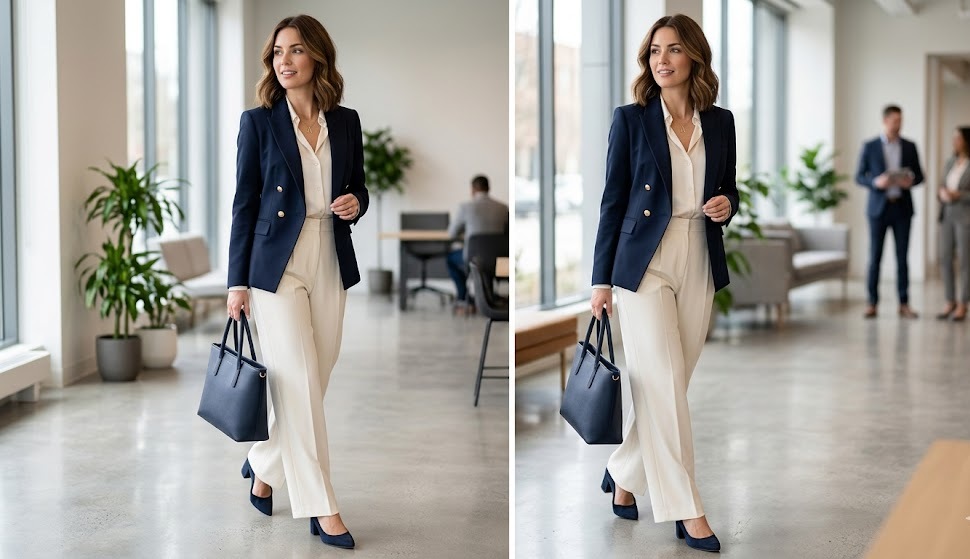
Color is one of the easiest ways to make this outfit look better. Some versions work best with contrast, while others look stronger when the palette stays calm. Readers often improve an outfit quickly just by limiting the number of competing colors and letting one tone lead the story.
Layers matter too. A light jacket, cardigan, overshirt, blazer, coat, or soft outer layer can make a basic outfit feel finished. The trick is making sure the layer supports the shape instead of hiding it. Good layering adds intention. Bad layering can make the whole look feel heavy or confused.
It also helps to think about what the eye lands on first. When the color, layer, or main item gives the outfit a clear focal point, the rest of the look feels easier to understand. That is one of the simplest reader-friendly styling rules: let one part lead, and let the rest keep the outfit grounded.
What to Wear With It in Real Life
Shoes and accessories often decide whether this outfit feels polished or unfinished. Even when the clothes are right, the wrong finishing pieces can pull the whole look in a different direction. That does not mean accessories need to be expensive. It means they need to make sense for the mood of the outfit.
If the clothing already feels soft or detailed, cleaner accessories often work better. If the clothing is very plain, a better bag, smarter shoe, watch, belt, hat, or hair detail can give it more life. The goal is not to decorate every inch of the outfit. The goal is to help it feel complete.
Comfort still matters. Readers often ruin an otherwise good outfit with shoes that look good for ten minutes but feel terrible after an hour. When the outfit is supposed to work in real life, ease and practicality are part of what makes it stylish.
When This Look Works Best
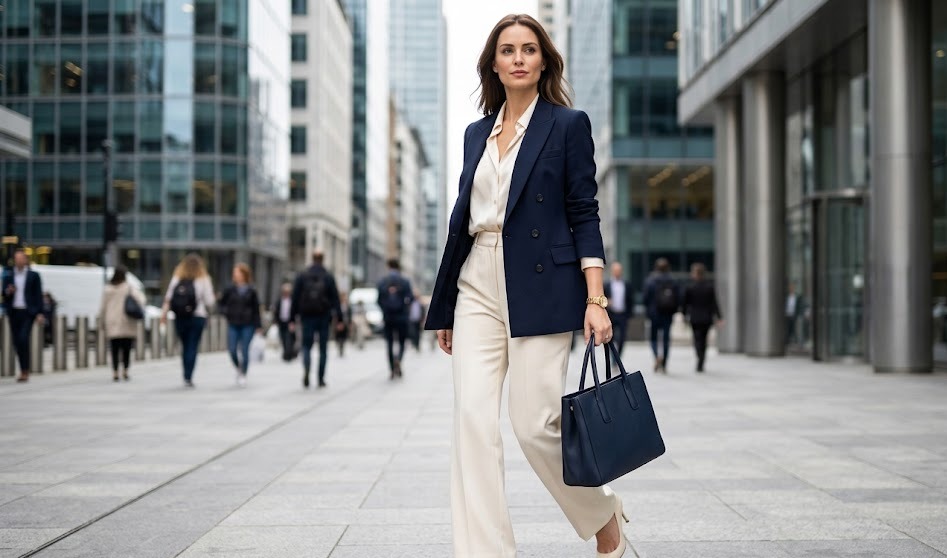
Timing changes everything. The same outfit can feel perfect in the morning and too heavy by afternoon, or fine outdoors but uncomfortable once the weather shifts. That is why this look usually works best when it is adjusted for the actual day instead of copied exactly from a single idea board.
For cooler conditions, slightly richer textures or layers can make the outfit feel more complete. For warmer conditions, lighter fabrics and fewer pieces often work better. Readers do well when they think of the outfit as flexible rather than fixed. You are not trying to preserve one rigid formula. You are trying to keep the mood while making the look usable.
This also applies to occasion. A day look, a travel look, a dinner look, a weekend look, a church look, or a family-photo look may all need different finishing choices even if the main concept is similar. That is not inconsistency. That is good styling.
Small Details That Change Everything
The most common mistake with this kind of outfit is trying to do too much at once. Too many statement pieces, too many colors, too many trend details, or the wrong mix of fabrics can make the look feel harder instead of better. Readers usually get better results by editing one unnecessary element out of the outfit.
Another common problem is ignoring fit. Even a strong outfit idea can lose its effect if the pieces are too tight, too loose in the wrong places, or simply uncomfortable. Good style is not separate from comfort. In many cases, comfort is what allows the clothes to sit well and the person wearing them to look more relaxed.
It also helps to avoid dressing for a fantasy version of the day. If you are going to walk, travel, parent, work, sit for long hours, or move in changing weather, the outfit should respect that. Real-life function does not weaken style. It usually makes style look smarter.

Mistakes to Avoid Before Getting Dressed
The easiest way to turn this idea into something practical is to think in formulas. A formula gives you a repeatable shape without forcing the exact same outfit every time. That is useful because most readers do not need endless random inspiration. They need a few combinations that reliably work.
A good formula might start with one strong base piece and one calm support piece. Another formula might rely on color balance, like a deep neutral with one softer accent. Another might focus on a useful layer, especially if the outfit needs to work from morning into evening. Once you understand the shape, the details become much easier to swap.
These formulas also help with shopping. Instead of buying pieces in isolation, readers can ask whether a new item actually strengthens an existing outfit formula. If it does, it is more likely to earn its place in the wardrobe.

Final Takeaway
This outfit direction is strong because it can be both stylish and useful at the same time. That combination matters. Readers do not just want something that looks good in theory. They want something that helps them get dressed with less confusion and more confidence.
The best version of this look usually comes from paying attention to the small things: fit, comfort, finishing details, timing, and whether the outfit still feels like you. Those details often matter more than chasing the loudest trend in the room.
If you keep the mood of the outfit clear and let the rest of the choices support it, this is the kind of idea that can become a real part of your wardrobe instead of staying only on a list of inspiration.
Reader Notes That Make This Outfit Easier to Repeat
One reason many readers struggle with outfit ideas is that they treat every look as a separate challenge. That makes getting dressed feel heavier than it needs to be. A better approach is to notice what part of navy and cream outfit ideas for women for work actually appeals to you. Is it the color story, the polish, the layering, the ease, or the shape? Once you know that, it becomes much easier to rebuild the same feeling with slightly different pieces. That is usually how style becomes practical. It stops being about copying and starts being about recognizing the ingredients that make you feel right.
Another useful thing to remember is that repeating an outfit idea does not make it less stylish. In fact, repetition is often a sign that an outfit really works. If the same overall formula helps you feel comfortable, confident, and prepared in different parts of life, that is a strength. It means the outfit has moved beyond inspiration and become something useful.
Readers also benefit from seeing outfits as adaptable instead of fixed. If one version of the look feels too dressed up, simplify the shoe. If it feels too plain, improve the bag or layer. If it feels too seasonal, switch the fabric. Those small adjustments often matter more than buying something completely new.
A Practical Shopping Mindset for This Look
If you are shopping with this outfit idea in mind, try not to buy pieces in isolation. A garment may look beautiful on a hanger and still do very little for your wardrobe. The better question is whether it strengthens an outfit you can actually wear. That could mean it works with three other pieces you already own, it solves a gap in your routine, or it gives shape to an outfit formula you already like.
This kind of thinking saves money and reduces clutter. It also makes outfits easier to build because every piece has a clearer purpose. Readers often assume style gets stronger when wardrobes get bigger. In reality, style usually gets stronger when the wardrobe gets more cooperative.
That is also why calmer, more wearable pieces often outperform dramatic ones over time. A strong item does not have to be loud. It just has to help the rest of the wardrobe make more sense.
Extra Styling Reminders Before You Wear It
Before wearing the outfit, do one final check. Make sure the proportions still feel balanced once the shoes are on. Make sure the outer layer still works when closed and open. Make sure the bag or accessory you chose adds clarity instead of confusion. These final small checks are often what separate an outfit that feels almost right from one that feels fully finished.
It also helps to move in the look for a minute. Walk, sit, bend, reach, and see whether the outfit still feels comfortable. Reader-friendly styling is not only about appearance. It is about whether the outfit continues to work after you leave the mirror.
When a look passes that test, it usually becomes easier to trust and repeat.
How Readers Can Rework This Idea With What They Already Own
One reason outfit inspiration becomes frustrating is that people assume a good look always starts with shopping. In reality, it often starts with editing. If you already own pieces that are close to this direction, begin there. Think about shape first, then texture, then color, then finishing details. You may not own the exact item that appears in your head, but you often own enough to recreate the mood. That approach is far more practical and usually far more satisfying.
For many readers, this means pulling out one anchor piece and building around it. Maybe it is a reliable pair of trousers, a dress that always sits well, a cardigan that makes simple outfits look softer, or shoes that instantly sharpen a casual look. Once you start there, the outfit usually becomes easier to solve. Instead of buying another random item, you are strengthening a combination that already works.
This is also why style confidence often grows slowly. It comes from learning which shapes, layers, and colors make your life easier. When you use an outfit idea this way, it becomes less about trying to impress and more about building a wardrobe that behaves well under real pressure.
When to Repeat the Outfit and When to Change It
Good outfits should be repeatable. That matters because real style is not built from endless novelty. It is built from knowing how to reuse a strong formula in ways that still feel interesting. The easiest way to repeat an outfit well is to keep the foundation similar while changing one visible element. That could be the shoe, the layer, the bag, the top texture, or the color balance.
Readers often get stuck because they think repeating the look means copying it exactly. It does not. You can repeat the feeling instead. If the outfit works because it is relaxed but polished, keep that mood. If it works because it is structured but still comfortable, keep that balance. Once you understand the reason the outfit succeeds, the repetition starts to look personal rather than lazy.
At the same time, there are moments when the outfit needs adjusting. Weather, lighting, movement, occasion, and time of day all matter. A good formula bends a little instead of breaking. That is one of the reasons this kind of style advice is useful for readers. It teaches adaptability, not just imitation.
A Human Way to Judge Whether the Look Is Actually Good
One of the most helpful style habits is learning how to judge an outfit beyond the mirror. A look can appear fine while standing still and still feel wrong five minutes later. The better test is more practical. Does the outfit make you want to leave the house? Does it feel like something you can carry through the day? Does it make sense for the people, places, and weather around you? Does it still feel like you?
These questions are more useful than chasing a perfect image. Readers often become much better dressers when they stop asking whether an outfit is trendy enough and start asking whether it is convincing enough. A convincing outfit is one where every part seems to belong. Nothing looks forced. Nothing feels like an apology. The look simply makes sense.
That does not mean the outfit has to be boring. It can still be playful, sharp, soft, luxurious, classic, or trend-aware. It just needs to feel coherent. When a look reaches that point, it usually reads as much more stylish than something louder but less settled.
A Final Reader Checklist Before Saving This Idea
Before you save or wear an outfit like this, take one last practical look at it through a reader's lens rather than a trend lens. Ask whether the color balance still makes sense once the full look is on the body. Ask whether the layers still work when the weather shifts. Ask whether the shoes still feel like the right decision after a short walk. Ask whether the bag, hair, or small finishing details are helping the outfit or simply filling space.
This kind of final check often matters more than people expect. An outfit does not need to be dramatic to feel finished. It just needs enough consistency that the whole look reads clearly. That is what helps an outfit feel easy to trust, and trusted outfits are the ones readers actually return to. Over time, that is what builds a wardrobe that feels useful instead of chaotic.
If this article helps you take the idea from inspiration to something you would really wear, then it has done its job. Good style advice should make getting dressed simpler, not more stressful. That is the standard this guide is written to support.