woman fashion

Yoruba Outfit Ideas Now — The Best Traditional and Modern Styles

The best Yoruba outfit ideas for 2026 — traditional dresses for females, males, and cultural day. Honest advice on aso-oke, ankara, and gele styling.
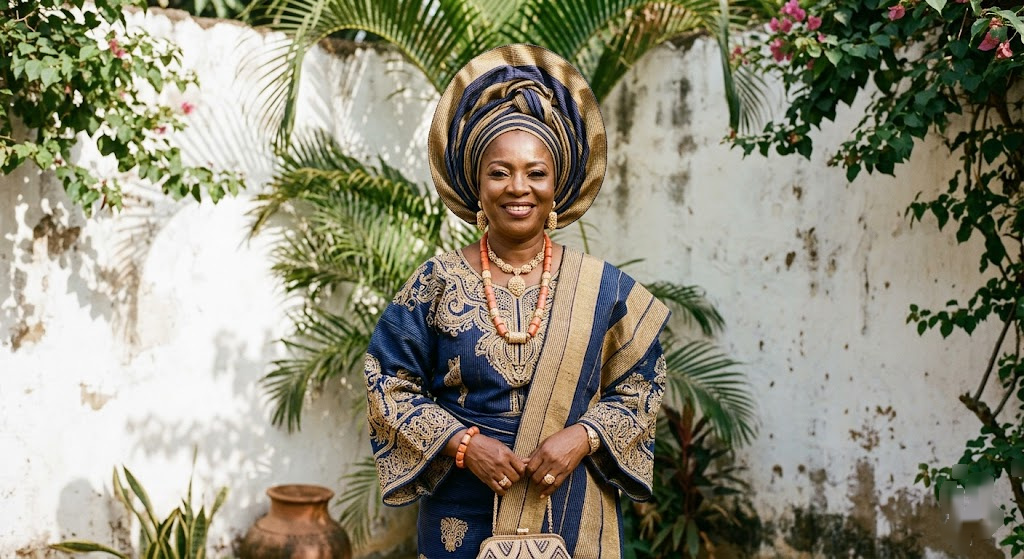
yoruba outfit ideas for women in aso-oke traditional attire

There's a specific feeling that comes with putting on a well-made Yoruba outfit — a kind of uprightness, a cultural grounding that no Western garment has ever given me. My first proper Yoruba attire was a simple ankara buba and skirt my aunt had made for me for a family event, and I remember the way everyone in the room responded. It wasn't just the color. It was the intentionality of it.

Yoruba fashion is one of the richest, most dynamic cultural fashion traditions on the African continent — and it's evolving in genuinely exciting ways right now. If you're looking for Yoruba outfit ideas that feel current without losing their roots, this is the guide I wish I had had.

What Is a Yoruba Dress Called?

Yoruba traditional dress has a specific vocabulary worth understanding before you shop or commission anything.

For women, the classic combination is the buba (a loose blouse), iro (a wrapped skirt), and ipele or iborun (a shoulder cloth). Together these three pieces form the traditional Yoruba woman's outfit. The gele — the elaborately tied head-wrap — is almost always added for celebrations and formal events.

For men, the primary Yoruba traditional dress is the agbada — a grand, wide-sleeved flowing robe worn over a matching buba and sokoto (trousers). The fila (a soft cap) completes the look. Agbada fabric is typically the prestige aso-oke — a hand-loomed ceremonial textile that is central to Yoruba identity.

For cultural day or everyday wear, ankara — the wax-print fabric that has become synonymous with West African fashion — is the most common choice. It's accessible, vibrant, and increasingly fashionable globally.

yoruba traditional dress for female cultural day

Yoruba Traditional Dress for Female — The Key Pieces

The starting point for any Yoruba outfit for a woman is understanding the three fabric tiers:

Aso-oke is the highest-tier ceremonial fabric. Hand-woven on narrow-strip looms in Yorubaland, aso-oke comes in three main varieties: alaari (red or deep pink), sanyan (tan or brown), and etu (deep indigo). The rich texture and weight of aso-oke makes it unmistakable — and unmistakably special. Aso-oke outfits are for owambe parties, weddings, and major family celebrations.

Ankara sits in the middle tier — versatile enough for celebrations and fashionable enough for everyday wear when cut and styled well. A beautifully tailored Yoruba buba and iro in a vivid ankara print is one of the most striking outfits in any room.

Lace fabric has become central to Nigerian fashion events. A lace buba worn with aso-oke iro is one of the most sophisticated Yoruba female outfits for high-level celebrations.

yoruba attire for male and female couple

Simple Yoruba Attire for Female — The Everyday Version

Not every Yoruba outfit needs to be a full owambe production. For simpler occasions — cultural day at school, community events, everyday modest dressing — a simple Yoruba attire for female looks like this:

A clean ankara buba (fitted or slightly relaxed, depending on preference) in a bold two-color print, worn over a matching iro wrapped correctly at the waist and falling to mid-calf. Add flat sandals or simple wedges. A small headtie or a loosely draped ankara headwrap completes it without the formality of a full gele.

For fabric selection, look for cotton ankara with a firm, bright print — the colors should be vivid and clear, not washed out. The weight of the fabric affects how the iro wraps and stays in place, so avoid anything too thin for a traditional wrap style.

Yoruba Attire for Female Child — Styling the Next Generation

Dressing a child in Yoruba traditional attire is one of the sweetest things, and increasingly, parents are making very deliberate choices about keeping cultural fashion alive for the next generation.

For a girl, a simple ankara A-line dress or a buba-and-skirt set in a bold print with a small matching headband or tiny tied gele is both age-appropriate and genuinely beautiful. Choose fabrics in slightly brighter, more playful colorways — yellow, hot pink, turquoise — rather than the deeper, more formal tones used for adult occasions.

simple yoruba attire for female child

Yoruba Traditional Dress Male — Agbada and Everything After

For men, the full Yoruba agbada ensemble is one of the most striking outfits in the world. I say that without any hesitation. A well-tailored agbada in deep burgundy aso-oke with cream embroidery, flowing dramatically as a man walks — it's genuinely extraordinary.

But not every male Yoruba outfit needs to be a full three-piece agbada. For cultural day events, a two-piece ankara suit — matching trousers and long-sleeved top — with a fila cap reads as culturally appropriate and stylish without being overly formal.

For weddings and high-level events, the agbada is the natural choice. The embroidery on the neck and cuffs (called the asobi pattern when coordinated with guests) is where personalisation happens — discuss this with your tailor in detail.

yoruba traditional dress male agbada

What Is the Difference Between Aso-Oke and Aso Ebi?

This is one of the most common questions I get asked about Yoruba fashion, and it's an important distinction.

Aso-oke is a fabric type — the handwoven ceremonial cloth itself. Aso ebi is a concept — it refers to the practice of a group (family, friends, co-workers) wearing the same fabric to a celebration to show unity and belonging. Aso ebi can be made from aso-oke, ankara, lace, or any other fabric. The fabric and the concept are separate things.

What colors are used in Yoruba traditional clothing? Colors are deeply meaningful. Gold and yellow symbolize wealth and royalty. Purple carries prestige. Deep indigo (etu) is associated with the Yoruba traditional religion and high ceremony. Red (alaari) is celebratory and associated with the Ogun deity.

Final Thoughts

Yoruba fashion is a living tradition. It's evolving — more contemporary silhouettes, more global fabric combinations, more creative interpretation — while remaining grounded in a cultural identity that is thousands of years deep.

Whether you're dressing for a cultural day, an owambe, or simply wanting to connect with your heritage through clothing: start with good fabric, find a skilled tailor who understands the tradition, and wear it with the pride it deserves.

For a Yoruba attire for cultural day, the goal is looking clearly Yoruba without requiring full ceremonial dress. A clean ankara buba and iro with a simple headtie achieves exactly that.

Coordinating yoruba attire for male and female at family events — matching fabrics or complementary colorways — is one of the most beautiful things in Nigerian fashion culture. It signals unity without uniformity.

Frequently asked questions

FAQ: Yoruba Outfit Ideas

What are the five traditional clothes worn by Yoruba? The key pieces are: agbada (men's robe), buba (blouse), iro (wraparound skirt), gele (headtie), and aso-oke (ceremonial woven fabric). These form the foundation of Yoruba traditional fashion.

What is the color blue called in Yoruba? Blue is called «búlúù» in Yoruba (borrowed from English), though the traditional deep indigo shade used in etu aso-oke is culturally distinct and simply called etu.

What is an oloshi? Oloshi is a Yoruba slang term — not a garment. Worth knowing if you're navigating Yoruba cultural spaces, but it doesn't relate to traditional dress.

Which traditional dress is the best for a Yoruba cultural day? For a female: a simple ankara buba and iro with a small headtie. For a male: an ankara two-piece or a buba and sokoto with fila. These read clearly and appropriately without requiring the full ceremony of aso-oke.

Caroline Elizabeth

Caroline Elizabeth

Fashion stylist and writer with a passion for making everyday dressing effortless. She covers outfit ideas, seasonal trends, and practical style advice for real wardrobes.

Pinterest